
An honest look at Alaska expedition cruising: what it is, how it compares to a big-ship cruise, and who it is really for.
Ask most people what “expedition cruising” means and they picture Antarctica. Parkas, zodiacs, penguins. Fair enough, that is where the whole category got its start. But an Alaska expedition cruise is its own real, well-established style of travel. And for a lot of travelers, Alaska is actually the easier place to try it first.
My own first trip to Alaska was on a large ship. I watched Glacier Bay slide past from my balcony, spotted sea otters floating on their backs, and loved every minute of it. But the more I learn about how differently a small expedition ship sees Alaska, the more I understand why a certain kind of traveler falls hard for it. If you go to Alaska for the wildlife, the wilderness, and the wanting-to-really-understand-the-place of it all, this is the trip I want you to know about.
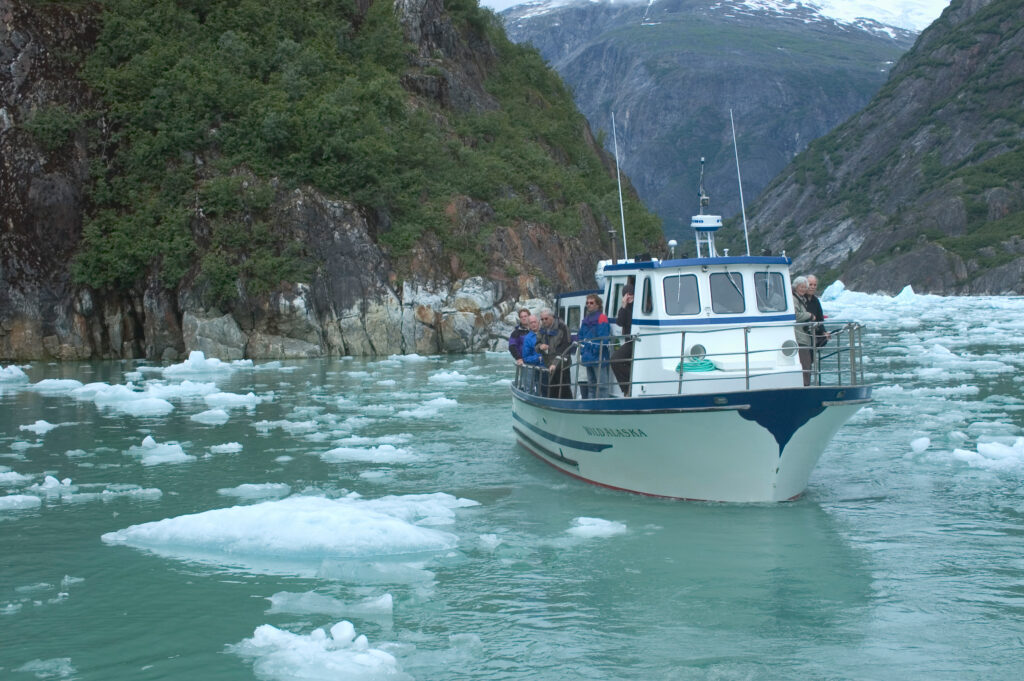
So what actually makes it an expedition cruise?
The short version: small ships, real access, and a crew built around exploring rather than entertaining. A big Alaska cruise ship might carry three to five thousand passengers and stay well offshore. An expedition ship carries a few hundred at most, and it can slip into narrow fjords, tucked-away coves, and right up to glacier faces the bigger ships simply cannot reach.
It comes down to access, not size. That is the whole idea.
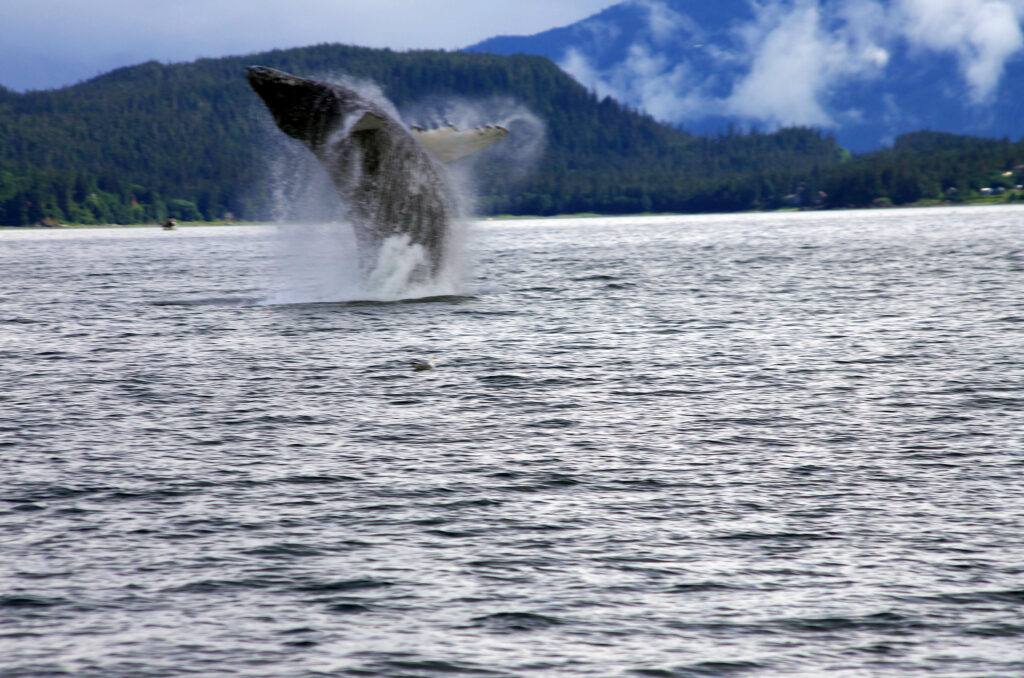
“The difference between watching a whale breach from a distant top deck and watching it happen off the bow is really the entire point.”
Expedition cruise versus big-ship cruise in Alaska
This is the heart of it, so let me really dig in. A big-ship Alaska cruise is a wonderful trip. It is comfortable, it is easy, the price is friendly, and for a first taste of Alaska or a multigenerational family, it is often the perfect call. I am not here to talk you out of one. But if you are the kind of traveler who goes to Alaska for the nature itself, an expedition cruise gives you things a big ship structurally cannot. Here is what actually changes.
Closer to the Wild
You get closer to the wildlife. On a big ship, a humpback or a pod of orcas is a distant shape you squint at from a tower of decks. On an expedition ship, the naturalists are watching for that same whale, the captain can ease in, and you might see it from the bow or from a zodiac down at water level. Bears on the shoreline, eagles overhead, sea lions hauled out on the rocks, all of it lands differently when you are low and close.
You reach places big ships never go. Narrow fjords, hidden coves, remote stretches of coastline with no port and no crowd. Expedition ships are built to nose into the wild parts of Alaska, not just the towns. That is where the deeper Alaska lives.
The ship can stop for the moment. This is the one my clients fall in love with. When something worth seeing shows up, a breaching whale, a calving glacier, a bear working the beach, a small ship can simply pause and let you watch. A five-thousand-passenger ship on a fixed schedule cannot.
A Richer Way to Travel
You travel with experts, not just entertainers. Expedition sailings carry naturalists, marine biologists, geologists, and seasoned expedition leaders. They narrate what you are seeing, run evening briefings, and answer the questions you did not know you had. You come home understanding Alaska, not just having seen it.
You actually set foot in the wild. Zodiac cruises, guided hikes, kayaking among the ice. Instead of a crowded port and a row of souvenir shops, you get landings in places most people never reach. It is immersive in a way a gangway into a busy town simply is not.
It is quieter, and the wilderness is the point. No water park, no casino, no crowds of thousands. A few hundred like-minded people, and the scenery doing the entertaining. For a nature lover, that is not a downside. It is the entire appeal.
“The best part of small-ship Alaska usually is not one big moment. It is how often the captain can just stop the ship because something worth seeing showed up.”
So here is the honest bottom line. If your dream Alaska trip is a comfortable ship with plenty to do and easy logistics, a big cruise is a genuinely great choice, and I will happily help you plan one. If your dream is Alaska itself, up close and understood, expedition is the one.
You do not have to give up comfort to do this
Here is the myth I most want to clear up, because it quietly talks people out of a trip they would love. Somewhere along the way, expedition cruising picked up a reputation for roughing it. Bare cabins, cafeteria food, a science-camp feel. That is not what these ships are.
The expedition ships sailing Alaska today are genuinely comfortable. You do give up some of the big-ship extras, the Broadway-style shows, the water slides, the dozen dining venues. What you get instead is a well-appointed ship, often with private verandas, multiple restaurants, and in-suite dining, plus food that surprises people, with real variety and quality rather than a buffet you tolerate. Service tends to be attentive, because these ships carry some of the highest crew-to-guest ratios at sea. Depending on the line, some even have a spa onboard. Many provide your expedition gear too, the parka, the waterproof layers, the boots, so you are not outfitting yourself for a trip you have never taken.
“This is not a choice between comfort and nature. It is a choice between crowds and access, with the comfort coming right along with you.”
So no, you are not roughing it. You can be genuinely well cared for and still be twenty feet from a glacier. It really is not either-or.
Choosing the right expedition line
Here is where I will gently steer you. Several respected lines sail Alaska expedition itineraries, and they are not interchangeable. They differ in ship size, how many naturalists they carry, whether they run zodiacs and kayaks, how remote their routes actually go, whether they offer a real children’s program, and of course price. Matching the right line to the way you want to travel is exactly the kind of thing I do for clients, so you end up on the ship that fits you rather than the one with the prettiest brochure.
Does an expedition cruise go to Glacier Bay?
This is one of the most common questions I get, and the answer surprises people. Not every Alaska cruise visits Glacier Bay National Park, and a small expedition ship does not automatically get you there.
Here is why. Glacier Bay sits inside a national park, and the Park Service tightly limits how many vessels can enter. Only two large ships are allowed in per day, on top of seasonal quotas, and any ship needs a permit to go in at all. Those permits are limited, and many of the big ocean lines hold the ones for large ships. Some small and expedition operators do have Glacier Bay access, often under a different permit category, but plenty of expedition itineraries do not enter Glacier Bay at all.
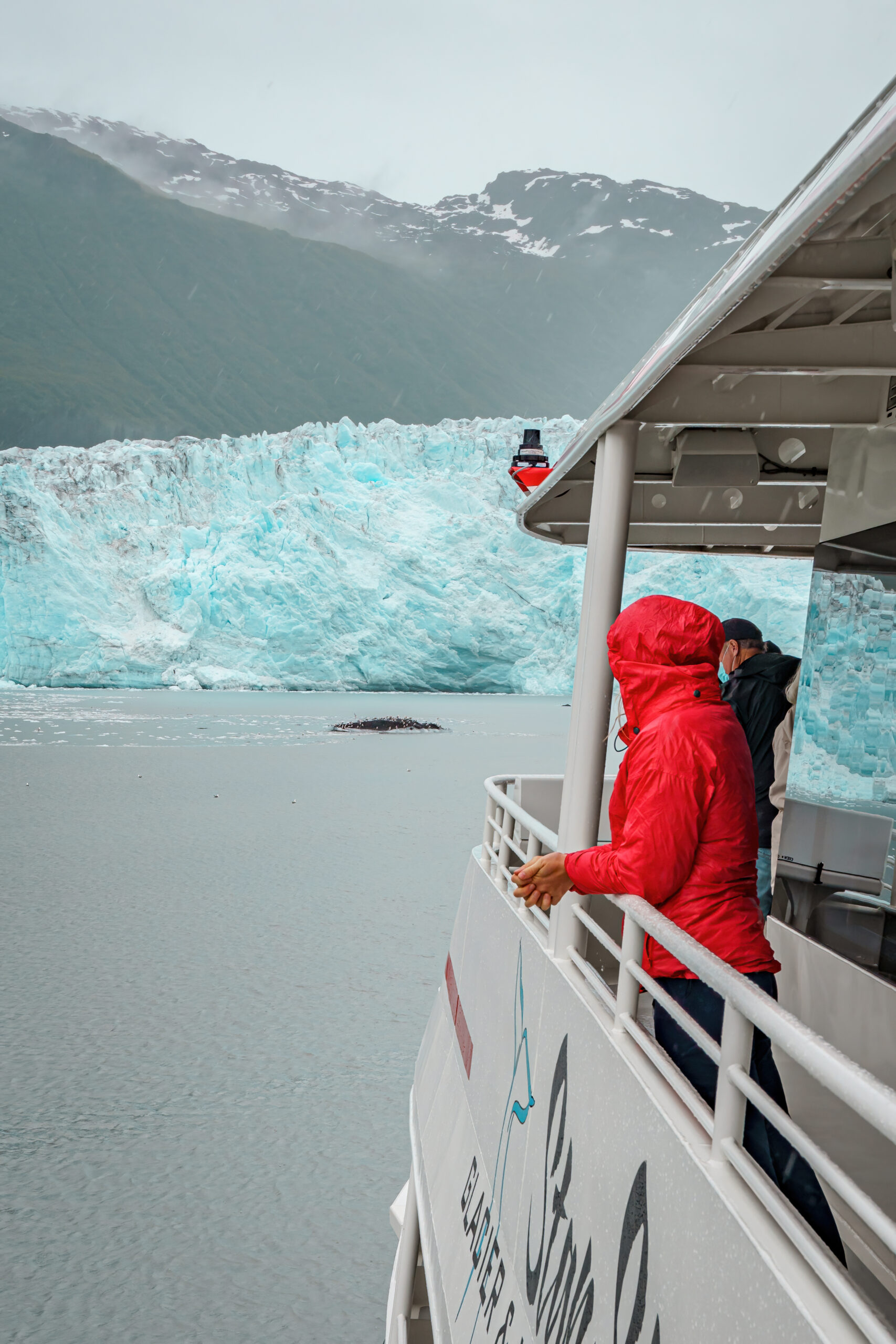
The ships that skip Glacier Bay are not skipping glaciers. They usually feature other remarkable glacier experiences instead, places like Hubbard Glacier, Tracy Arm, Endicott Arm, or College Fjord, and on a small ship you often get closer to the ice than a big ship ever could.
“If standing in Glacier Bay specifically is on your bucket list, tell me at the very start. It changes which sailings will work.”
So here is my honest advice. If Glacier Bay itself is the dream, say so up front, because it narrows the field and it needs to be listed on the itinerary in writing before you book. If what you really want is glaciers up close and you are open on which ones, an expedition cruise opens up a lot of beautiful options.
Do you have to be in great shape for this?
This is the question I get more than any other, and the answer usually surprises people. No. The benchmark most expedition crews actually use is simple. Can you walk up and down a flight of stairs, and get in and out of a bathtub? If yes, you can manage a shore landing. This is not a fitness retreat. It is a more hands-on way of seeing a place you already want to see.
Make it a full Alaska trip
One more thing worth knowing: the ship does not have to be the whole trip. Most of my clients add a few days on land, and that is often where the best memories hide, a night at the base of the mountain in Girdwood, a small-town stay in Talkeetna with real Denali views, or aurora chasing up in Fairbanks. If you want a feel for the land side, I wrote about our own Alaska cruisetour and the stop in Talkeetna, and how I think about Alaska shore excursions.
For more on expedition cruising worldwide, the International Association of Antarctica Tour Operators (IAATO) publishes helpful expedition cruise guidelines that apply to responsible polar and sub-polar travel, including Alaska.
Is this your kind of trip?
If the idea of a massive ship with a water park and a casino sounds like the opposite of why you want to go to Alaska, an expedition cruise might be exactly the answer. Let’s talk about what your version of it looks like.
Karla Tugan
Owner & Travel Designer | Whispering Willow Travel
Every Journey Writes a Story 🌿
Alaska Expedition Cruise FAQ
A regular Alaska cruise uses a large ship, thousands of passengers, and a focus on onboard amenities and popular ports. An Alaska expedition cruise uses a small ship built for access, a few hundred passengers, an expert naturalist team, and shore landings by zodiac or kayak. The regular cruise brings Alaska to you from a distance. The expedition cruise takes you into it.
If your reason for going to Alaska is the wildlife, the wilderness, and understanding the place on a deeper level, it is well worth it. You trade the friendlier price and the onboard variety of a big ship for closer wildlife, remote access, and expert guides. If you mostly want lots to do onboard and an easy first trip, a big-ship cruise may serve you better.
Yes. They do not carry the big-ship entertainment or the dozen dining venues, but today’s expedition ships are genuinely comfortable, often with private verandas, multiple restaurants, in-suite dining, attentive service, and on some lines a spa. Many also provide your expedition gear. You are trading crowds for access, not comfort for nature.
Planning Your Alaska Expedition Cruise
Depending on the route and season, travelers commonly see humpback whales, orcas, sea otters, sea lions, bald eagles, puffins, and bears along the shoreline. Being on a small ship close to the water, with naturalists watching for movement, is a big part of why the sightings feel so close.
The Alaska season runs roughly from May through September. Late spring brings long days and active wildlife, midsummer is the warmest and busiest, and late summer into September often means strong whale activity and a first hint of fall color. The right window depends on what you most want to see, which is worth talking through before you book.
Expedition sailings generally cost more than a mainstream big-ship cruise, because you are paying for small-ship access, expert guides, and included landings. The range is wide and depends on the line, the length of the sailing, and the cabin. Rather than guess, I would rather match a sailing to your budget and priorities, which is part of what a consultation is for.
Recently on the Blog
- Sicily Road Trip: The Real Story of Driving the Island Ourselves
- What an Alaska Cruisetour Really Looks Like: Our Talkeetna Story
- European River Cruises for Couples: The Complete Planning Guide
- Alaska Shore Excursions: What A Certified Alaska Expert Actually Recommends
- Why a Guided Ireland Group Tour Is the Best Way to Finally Do This



LEAVE A COMMENT
Comments