

Planning a multi-city Europe itinerary is exciting—but it can also get complicated fast once you add trains, hotel locations, timed-entry tickets, and move-day logistics. This 6-step framework helps you plan a trip that feels seamless (and avoids the common surprises that can derail a multi-destination vacation).
A multi-city Europe vacation is one of the best ways to travel—cafés in the morning, a new city every few days, and that “we’re really doing this” feeling.
But it’s also the kind of trip where the smallest planning gaps can cause the biggest stress. Because a multi-city itinerary isn’t just a list of places… it’s a series of mini-trips stitched together with transportation, reservations, timing, and backup plans.
This post walks you through the planning framework I use to design multi-destination Europe trips that feel seamless—so you can enjoy the romance of the experience (and not spend your evenings doing schedule math).
Why multi-city Europe trips feel complicated (even for smart planners)
When you’re visiting multiple destinations, every decision affects the next one:
- Where you stay impacts how easy it is to catch trains/ferries and explore on foot
- Train and ferry schedules determine what’s realistic on “move days”
- Attraction openings, closures, and timed entry change which days work best
- Some experiences sell out weeks (or months) in advance
- One delay can ripple through your entire day if there’s no buffer
This is why a thoughtfully designed multi-city Europe itinerary often takes a travel advisor 30–60 hours to plan well (many land around 36 hours, depending on complexity). If you’re DIY planning, it commonly takes at least double because you’re building the system as you go.
The 6-step framework for a smooth multi-city Europe itinerary
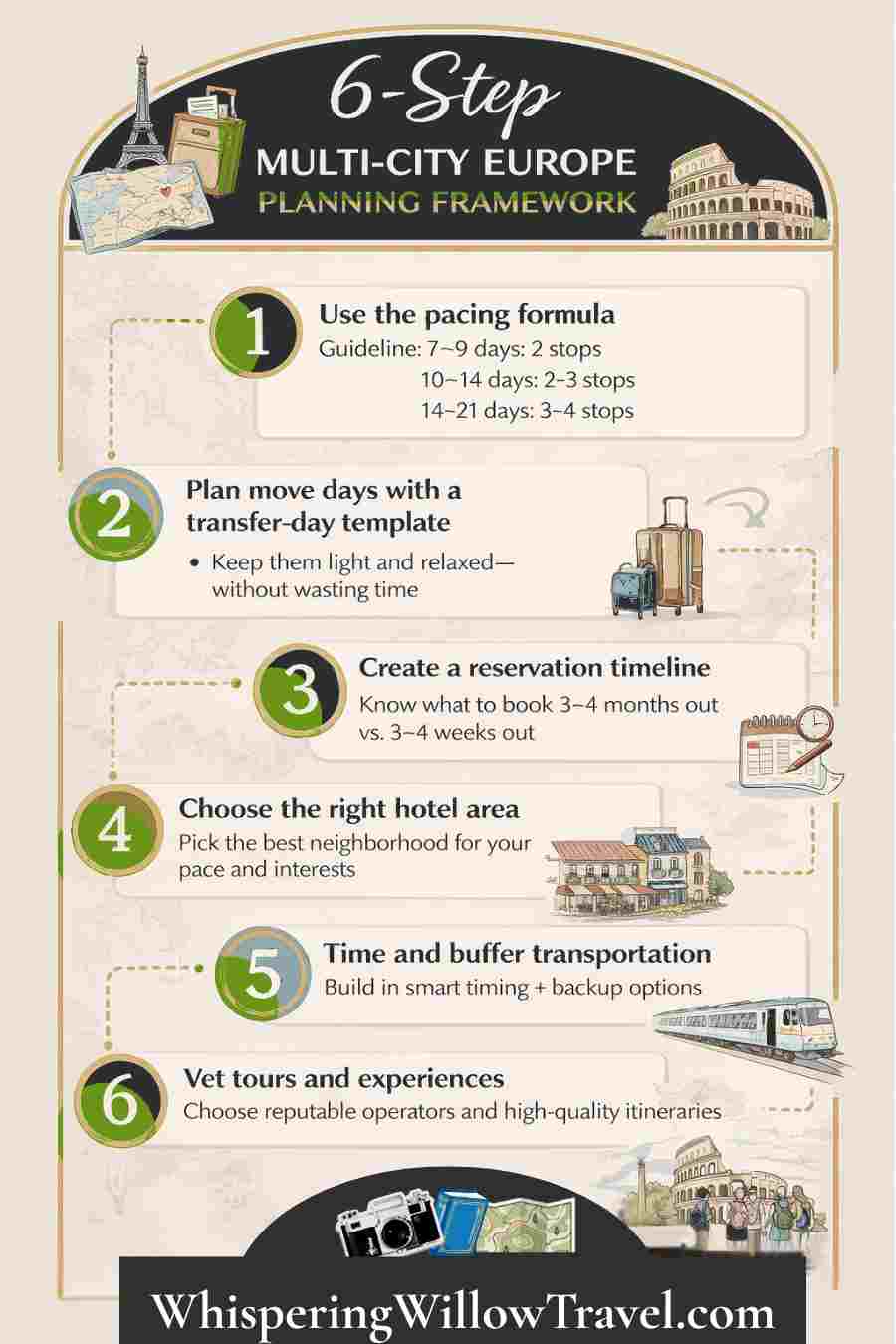
1) Use the pacing formula (this prevents the “we moved too much” regret)
A simple guideline:
- 7–9 days: 2 stops
- 10–14 days: 2–3 stops
- 14–21 days: 3–4 stops
If you want the trip to feel relaxed and elevated, do fewer stops and add day trips. You’ll still see a lot—without living out of your suitcase.
Why it matters: every move day takes more time than people expect (check-out, getting to the station/port, navigating platforms, arrival, luggage, check-in, re-orienting). Even when it goes smoothly, it costs hours of vacation time.

2) Plan move days with a “transfer-day template”
This is the template I use so travel days still feel like vacation:
- Morning: check out + transit
- Midday: arrive + drop bags + lunch near your hotel
- Afternoon: one easy activity (market stroll, viewpoint, neighborhood wander)
- Evening: dinner near your base—keep it simple
Pro tip: avoid booking a major timed attraction on a transfer day unless the route and timing are extremely forgiving.

3) Create a reservation timeline (so the best experiences don’t sell out)
A simple booking strategy:
- 90–120+ days out: must-do highlights, special experiences, milestone dinners
- 60–90 days out: popular day trips + small-group tours
- 30–60 days out: finalize remaining experiences + refine transportation
- Last 2 weeks: confirmations, light planning, and leaving room for spontaneity
This is where multi-city planning becomes a puzzle—because you’re not just booking great things, you’re sequencing them so the days actually work.
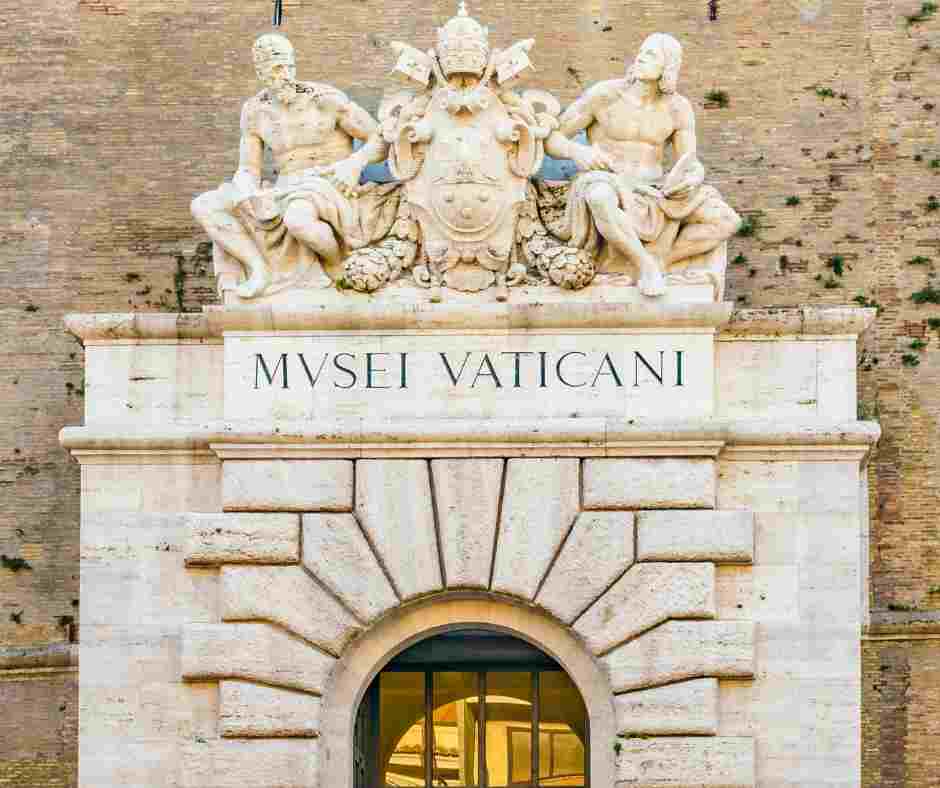
4) Choose the right hotel area (this is where trips feel “easy” or “hard”)
Most people choose hotels based on photos and reviews. I choose them based on how you’ll live in the city.
Neighborhood checklist I use when selecting a hotel area:
- Walkable to your must-dos and your day-to-day rhythm
- Comfortable in the evenings (especially if you love a post-dinner stroll)
- Good access to transit without being overly noisy
- Fits your vibe (quiet and charming vs. lively and central)
- Makes move days easier (station/port practicality)
This matters more than most travelers realize. Years ago, I booked a hotel in Naples without enough neighborhood research and ended up in an area that didn’t feel comfortable—and the hotel itself felt sketchy. That one decision changed the whole mood of the stay.
Now I treat location strategy as one of the most important “luxury” decisions you can make—because it protects your time and your comfort.

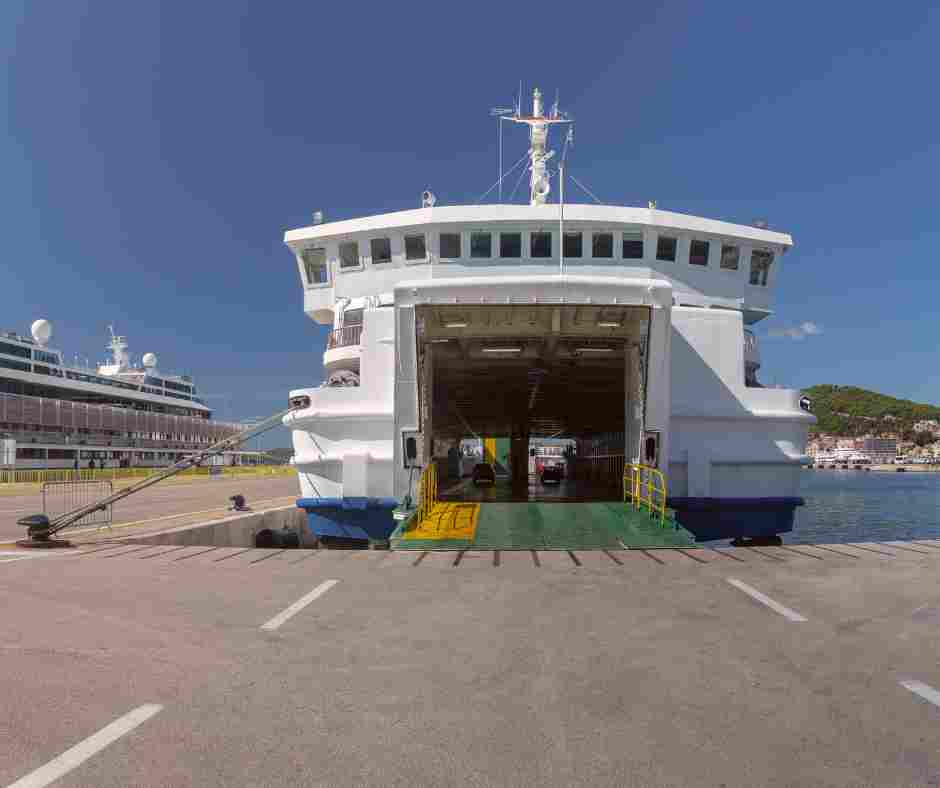
5) Transportation is not just “train or ferry” (it’s timing + buffers + backups)
Transportation timing is one of the biggest make-or-break pieces of a multi-city Europe itinerary. This is where DIY plans often break down—not because trains and ferries aren’t great, but because schedules don’t always match real life.
When I plan city-to-city transportation, I’m checking:
- which station/port makes sense based on your hotel location
- how early you need to arrive and how long it takes to get there
- the real last departure that still works for your day
- what happens if a tour runs late
- what your backup plan is if Plan A doesn’t run
Real example: on a trip along the Amalfi Coast, a tour ran over, and by the time it ended, the ferry and train options we were counting on weren’t running anymore. We had to take a taxi to Sorrento—and it cost about three times more than the ferry/train plan.
That’s exactly why I build buffers and Plan B options into move days—so you’re not stuck paying panic-pricing or scrambling at the end of a long day.
Helpful tools for transportation planning:
- Rome2rio (compare train/ferry/flight routes)
- The Man in Seat 61 (train tips + what to expect)
- Eurail (rail pass basics + planning info)
6) Vet experiences (because “good on paper” doesn’t always mean good in real life)
A multi-city itinerary can be unforgettable… or it can become a string of expensive, underwhelming tours that waste time and energy.
Here’s the filter I use when selecting experiences:
- small group or private when it matters (especially for milestones)
- clear meeting point + realistic duration
- strong guide reputation (not just generic reviews)
- efficient routing (so you’re not zigzagging across the city)
- policies that make sense if plans shift
I’d rather schedule fewer experiences that are excellent than overbook days with tours that disappoint.
The question that improves the entire trip: “What kind of hotel do you actually like?”
Before I recommend a single hotel, I ask clients what they normally love—because “nice” means different things to different travelers.
Some people prefer:
- boutique design-forward charm
- classic luxury with polished service
- big-brand reliability and consistency
- historic properties with character
- apartment-style space for longer stays
Then I match that preference to the neighborhood strategy and logistics (walkability, comfort, transit ease, move-day flow). That’s how the trip feels effortless instead of like you’re constantly commuting to your own vacation.
A cautionary tale most travelers don’t plan for: documents + coverage gaps
On a flight to Paris, my passport was stolen—and it didn’t just create a small inconvenience. I was detained overnight in a place that felt far more like a holding facility than a hotel, and I was sent back to the United States the next day. The trip was completely destroyed.
What shocked me was the financial side: I was relying on credit card “travel insurance,” and a significant portion of the costs weren’t covered. That experience is one reason I’m a big believer in choosing travel protection intentionally—not assuming a credit card benefit will handle every scenario.
Simple protections I recommend now:
- keep your passport on your person in transit (never in a seat pocket)
- use a zippered crossbody or money belt on travel days
- store a secure digital copy and keep a paper copy separate
- consider travel insurance that fits your trip’s cost and complexity

Why planning fees exist for multi-city Europe trips
Multi-city Europe planning is a true professional service. It’s not just booking hotels and “adding tours.” It’s:
- building a route that makes sense
- designing pacing that feels like a vacation
- choosing hotel areas that protect comfort and time
- coordinating transportation with buffers and backups
- sequencing reservations so the itinerary actually works
- selecting reputable experiences
- supporting changes when plans shift
If reading this made you think, “That’s… a lot,” you’re not wrong—and you’re exactly the kind of traveler I love helping.
Ready to plan a multi-city Europe trip without the stress?
If you’re considering multiple destinations and you want it to feel seamless, I start with:
- your dates and trip length
- your must-see list (and your must-avoid list)
- your pace (relaxed vs. active)
- what hotel style you naturally gravitate toward
Then I design itinerary options that fit your travel style and keep the logistics smooth from start to finish.
Coming next: I’m putting together a Multi-City Europe Planning Checklist you can download—perfect if you’re in the early dreaming-and-research stage.
FAQ: Multi-City Europe Trip Planning
How many cities should I visit in 10 days?
For most travelers, two cities (or two base locations with day trips) creates the best balance of variety and breathing room.
What’s the best way to get between cities in Europe?
It depends on the route, timing, and where you’re staying. Trains are often ideal, but ferries, flights, and private transfers can be smarter in specific regions—especially when schedules are limited.
When should I book trains and tours?
For popular routes and limited-entry experiences, earlier is better. Many key reservations are best handled 60–120+ days out, depending on season and demand.
Do I really need travel insurance for Europe?
It’s worth considering—especially for multi-city trips where one disruption can affect multiple bookings. Credit card benefits can help, but they often have exclusions and limits that surprise travelers.
How do I choose the best area to stay in each city?
Start with your priorities (what you’ll do daily), then choose a neighborhood that supports your pace and comfort. Location strategy is one of the easiest ways to make a trip feel “luxury” without adding stress.
Is a travel advisor worth it for a multi-city Europe itinerary?
If you value your time, want vetted recommendations, and don’t want to manage logistics and contingencies, working with an advisor can be a major stress reducer—especially for multi-destination travel.
- European River Cruises for Couples: The Complete Planning Guide
- Alaska Shore Excursions: What a Certified Alaska Expert Actually Recommends
- Why a Guided Ireland Group Tour Is the Best Way to Finally Do This Trip
- Ireland Is Everything People Say It Is (And Then Some)
- Ireland Road Trip Planning | Whispering Willow Travel


LEAVE A COMMENT
Comments